Clean Girl or Glamazon — How Rhode’s Sephora Launch Dethrones Rare Beauty.
Hailey Bieber’s Rhode may have just hit Sephora, but Selena Gomez’s Rare Beauty isn’t stepping aside. David Alvarado breaks down how both brands capture the essence of today’s beauty culture—minimalism versus expression.

Visuals Belong to Respective Owners.
Selena Gomez and Hailey Bieber are once again under public scrutiny following the September 5 launch of Rhode at Sephora. Gomez, who debuted Rare Beauty five years earlier, solidified her place in the beauty industry by advocating for mental health and cultivating a fiercely loyal fan base. The real battle isn’t about who’s the better founder—it’s about how their brands are meeting consumer expectations in an evolving beauty landscape.
Bieber made waves when Rhode sold approximately $15 million in merchandise on its first day. The financial triumph came shortly after she sold half of Rhode’s shares to e.l.f. Beauty. Rhode glorifies a minimalist aesthetic—showcasing the power of timeless beauty and effortless makeup. With the “clean girl” movement firmly cemented in the cosmetics industry, Bieber can comfortably coast on what’s trending—but that doesn’t necessarily mean it’s better.
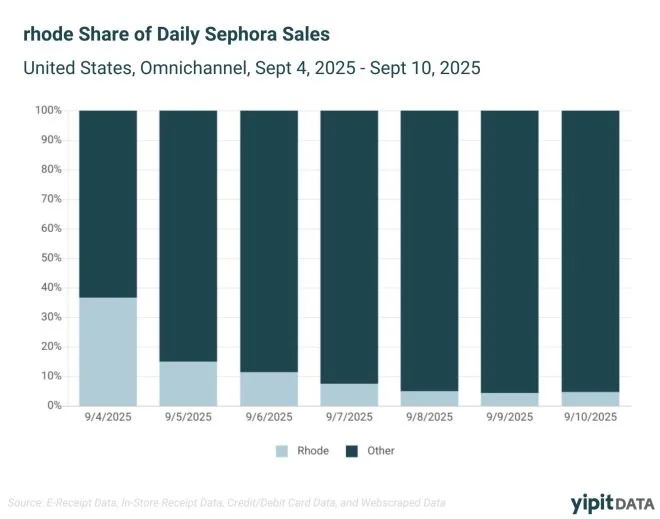
mage by Drew F. (via LinkedIn)
Rare Beauty, on the other hand, made girls blush—literally—in 2021 with the viral release of the Soft Pinch Liquid Blush, which sparked a full-on blush renaissance on TikTok. The phrase “blush blindness” emerged as women rediscovered the power of a bold, flushed look. As of 2025, Rare Beauty is valued at $2.7 billion, with Gomez firmly shutting down rumors of selling her shares. Gomez doesn’t chase trends—she builds community in an otherwise cutthroat industry.

Image via Accio (accio.com)
Let’s talk lips. Rare Beauty’s lip oils, glosses, and balms are among the brand’s top-selling SKUs—affordable, high-quality, and inclusive in shade range. Rhode’s lip products, meanwhile, are marketed to perfection, giving the line an undeniably chic, upscale image. But behind the glossy branding lies controversy: consumers have reported a gritty texture and even resorted to boiling the tinted glosses to soften them. The shades are decent, and the price points sit comfortably below luxury labels—but the products underdeliver. Many wear Rhode less for quality and more for what it represents: “I’m beautiful without makeup and don’t need to hide behind cosmetics to feel confident.”

When it comes to complexion, Rare Beauty reigns supreme. With a wide range of skin tints, foundations, and concealers, the brand embraces full expression and self-enhancement. Rhode, on the other hand, caters to the girls who “don’t wear makeup.” Its non-comedogenic skincare, peptide lip tints, and pocket blushes promote natural beauty and “quiet luxury.” Bieber’s line aligns with conservative beauty standards—soft, subtle, and safe. But when it comes to true complexion products, there’s no comparison: Rare Beauty is a makeup brand pushing creative boundaries, while Rhode is a minimalist skincare line that sells restraint.
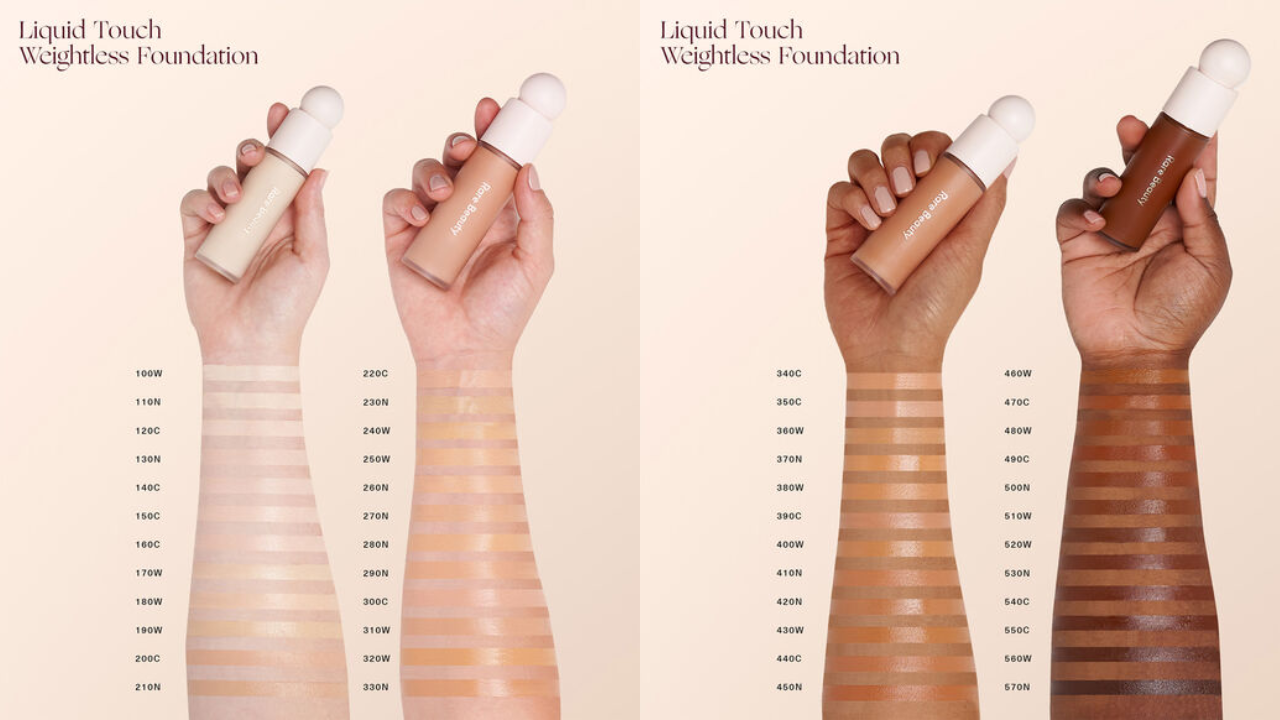
Image via Space NK (spacenk.com)
Both brands cater to women of all ages but approach beauty differently. Rare Beauty is playful, vibrant, and emotionally driven; Rhode is refined, understated, and aspirational. Rare relies on connection, while Rhode relies on image.
Ultimately, Rare Beauty and Rhode are reflections of their founders’ lifestyles, values, and visions of beauty. There’s no definitive winner—just two women redefining what it means to feel beautiful, one standard at a time.